
Aspen has a lot going for it: it is a British native, its leaves tremble in the faintest breeze, and it supports a surprising range of insects and fungi. It is also a tree that quietly punishes the wrong decision. Plant it in the wrong place, water it too keenly, or ignore what its roots are doing underground, and you will spend the next decade fighting it rather than enjoying it.
Most aspen problems that land on a gardener's doorstep are not mysterious. They come from a short list of avoidable errors, and all of them are easier to prevent than to fix.
1. Picking a Site Without Testing the Ground
Aspen is a pioneer species. In the wild it turns up on open, disturbed ground, from damp woodland edges to dry heathland, but it always wants light and air around its crown. Deep shade under a mature oak or beech is a slow death sentence, and a frost pocket at the bottom of a slope will nip back new growth year after year.
What aspen really dislikes is soil that stays wet and airless. Compacted clay, a hollow that fills every winter, or a spot where the water table sits near the surface will all cause dieback, and no amount of feeding will put it right. Before you buy anything, dig a hole roughly a spade and a half deep, fill it with water and leave it. If it has not drained away within a day, plant something else, or improve the site properly with raised beds or a drainage channel.
Things worth checking first
- How many hours of direct sun does the spot get in midsummer?
- Does water sit there after heavy rain?
- Is the soil compacted from building work or regular foot traffic?
- Is there space for a wide, shallow root system as well as a canopy?
2. Overwatering New Trees
Aspen needs moisture, but its roots also need oxygen. A newly planted bare-root tree does need watering through its first two growing seasons, particularly on light or sandy soils. What it does not need is a daily bucket for six months on heavy clay, which is the fastest way to sour the soil and rot the roots.
Water slowly and thoroughly, so it soaks in rather than running off, then wait. Before refilling the can, push a finger 10cm or so into the soil beside the trunk. Damp means leave it; dry means water it. Ten to fifteen litres once a week during dry spells is a sensible starting point in the first summer, tapering off in the second.
Yellowing leaves in midsummer are not automatically a cry for water. If the ground an inch down is already wet, you have a drainage problem, not a drought.
3. Ignoring the Suckers
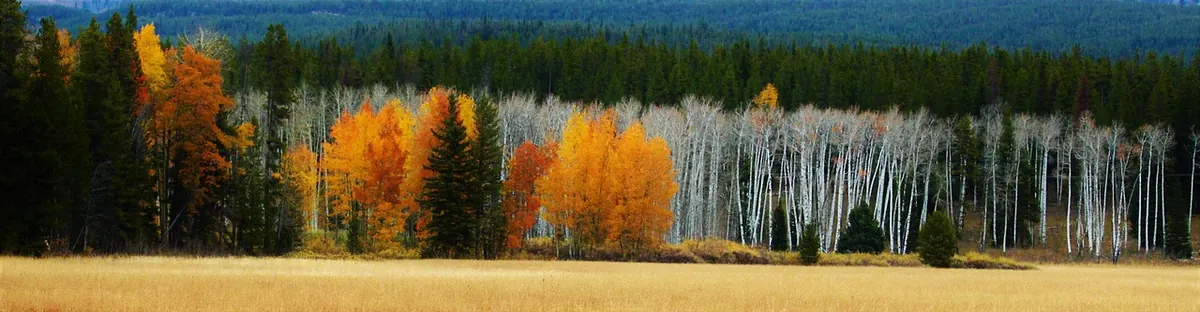
Aspen spreads by its roots. What looks like a grove of separate trees is often a single organism sending up shoots several metres from the trunk, and those shoots will appear in lawns, gravel, borders and vegetable beds. This is not a fault in the tree; it is what the species does.
Decide before planting where suckers are acceptable. In a rough corner, a shelterbelt or a copse at the end of a long garden, they are an asset. In a neat 6m x 6m lawn they are a weekly chore.
Where you need to control them, mow them off with the blades set normally, which exhausts new shoots over time, or pull very young ones by hand while they are still soft. Cutting with a spade below ground works for established shoots, but only if you keep at it. Avoid weedkillers that move through the plant: because the sucker is connected to the parent tree, the chemical can travel back through the shared root system.
4. Planting Too Close to Drains, Foundations and Boundaries
Aspen grows quickly, and its roots run wide and shallow. A tree planted a couple of metres from a house wall, a soakaway, a patio, a driveway or a sewer run is asking for trouble, and the damage tends to appear years later when the tree is too established to move easily.
Give it room. As a working rule, keep aspen well away from buildings, services and hard surfaces, and be more generous still on shrinkable clay soils. Check your deeds and any drainage plans before you dig, keep the tree clear of any pipe runs you know about, and if you are unsure about distances near a property or a public sewer, speak to your local water company and a qualified arboriculturist. Responsibility for tree roots is not always clear-cut, and it is worth getting proper advice rather than guessing.
5. Buying the Wrong Aspen
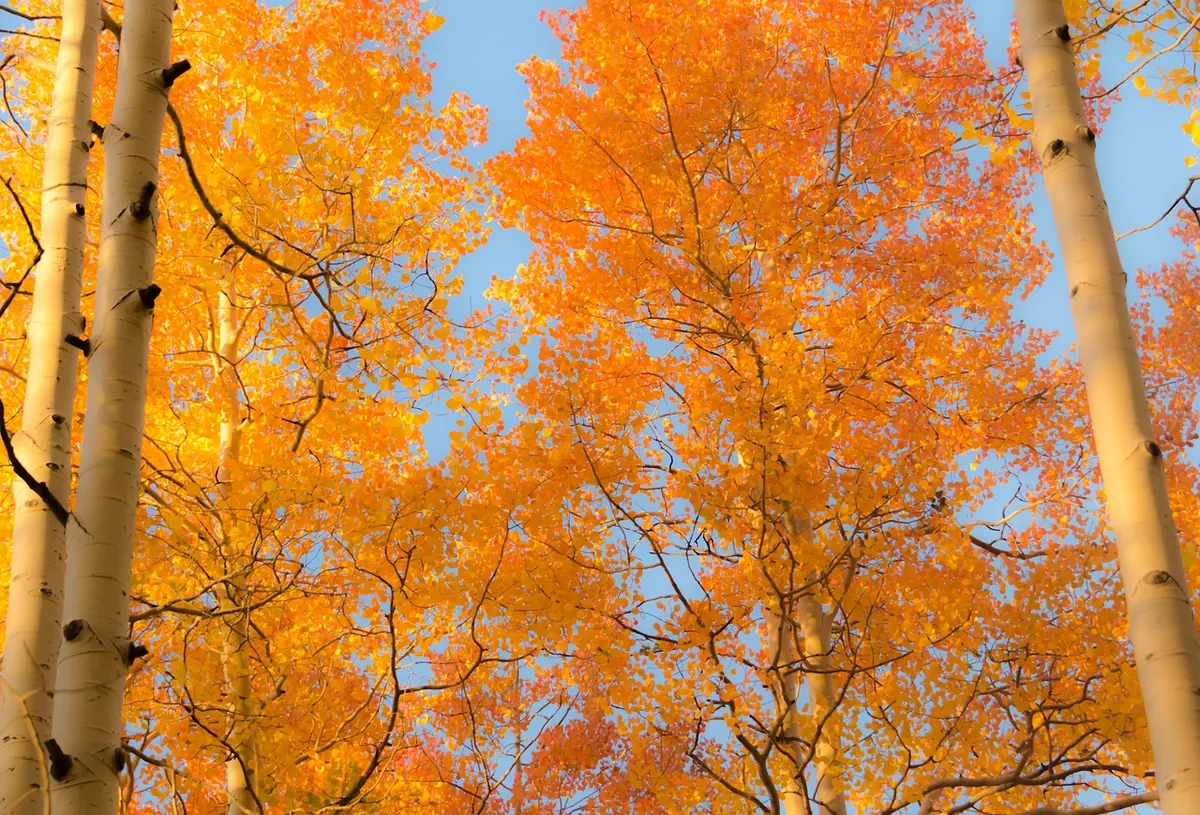
Not every tree sold as aspen suits a British garden. Our native Populus tremula is the one to look for, with grey-green leaves, good autumn colour and a natural tolerance of UK conditions. North American quaking aspen, Populus tremuloides, is sometimes offered and generally performs less well here.
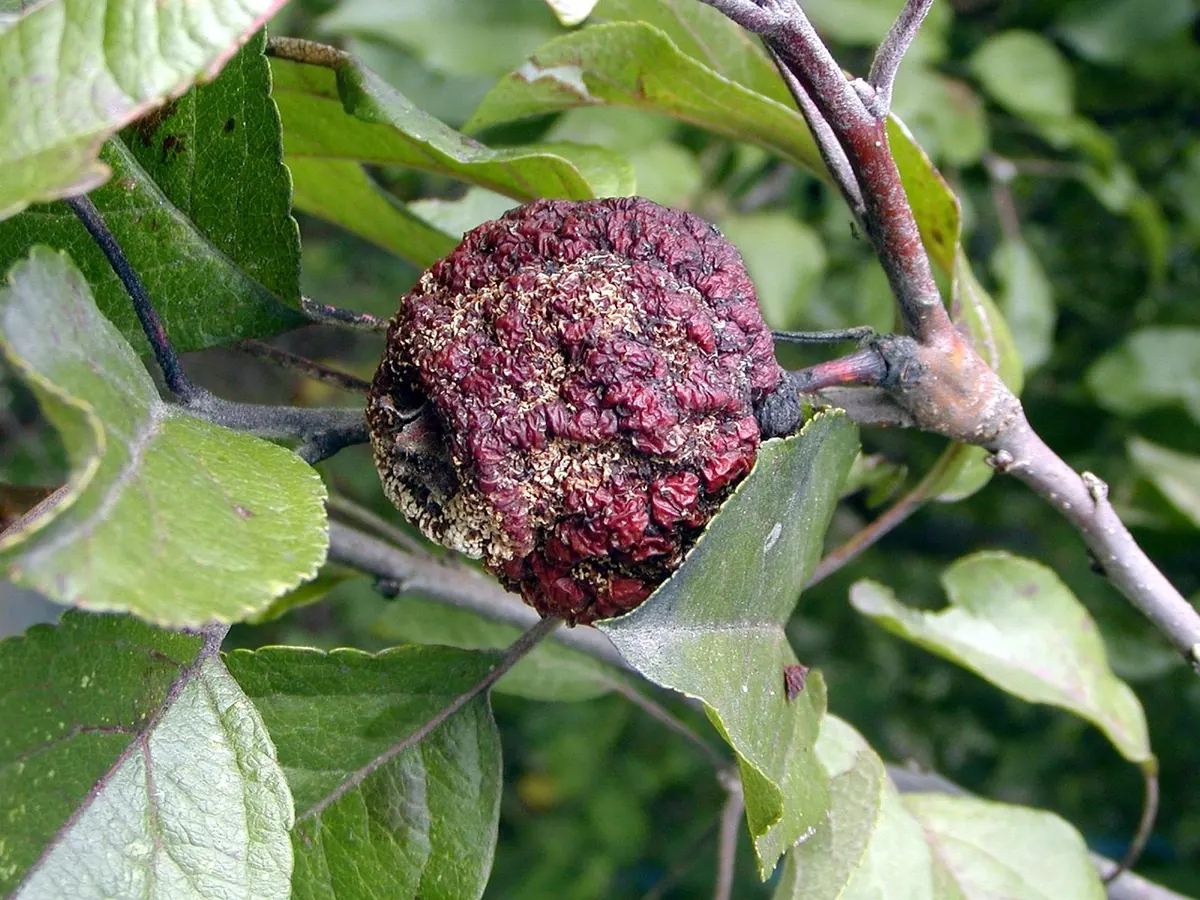
Buy bare-root stock from a British nursery during the dormant season where you can; it establishes better than a cramped, pot-bound specimen. Check the leaves for the orange-brown pustules of rust and the bark for sunken cankers, and reject anything with roots circling the inside of the pot.
6. Walking Away After Planting Day
Planting is the easy part. The first three years decide whether the tree thrives.
- Stake low and briefly. A short stake with a soft tie, removed after two or three seasons, allows the trunk to thicken properly.
- Guard the bark. Rabbits, deer and voles all enjoy young aspen bark. A spiral guard or mesh tube prevents the ring-barking that kills more young trees than disease does.
- Mulch, but not against the trunk. A 5–8cm layer of bark chip over the root zone suppresses grass and holds moisture. Keep a clear gap around the collar.
- Check ties and guards each spring and loosen anything that has become tight.
7. Pruning at the Wrong Time and Expecting Too Much
Aspen bleeds heavily if you cut it in spring while sap is rising, and large wounds heal poorly. Restrict pruning to the dormant season or late summer, and then only to remove dead, damaged or crossing branches. Topping or hard-cutting a mature aspen ruins its shape and encourages a mass of weak regrowth.
It also helps to accept what aspen is: a fast-growing pioneer rather than a centuries-old specimen tree. It is not long-lived, and leaf rust or leaf beetles can strip foliage in late summer, which looks alarming but rarely kills an established tree. If you want continuity, plant more than one, or plan what will take its place.
A Short Checklist Before You Dig
- Watch the intended spot for a full day in summer and note how much sun it gets.
- Run a drainage test hole and check the result after 24 hours.
- Measure the distance to foundations, drains, patios and boundaries.
- Decide where suckers will be allowed to grow, and who will deal with them.
- Buy native Populus tremula bare-root in the dormant season.
- Plant with a short stake and a bark guard, then mulch without touching the trunk.
- Water deeply through the first two summers, but only when the soil below the surface is dry.
Get those basics right and aspen is a low-maintenance tree with real character. Get them wrong and it becomes a decade-long argument with a root system that is always going to win.
Photo: sledgirlmt / Pixabay