
Aspens are among the few trees that sound as good as they look. The flattened leaf stalk acts like a hinge, so every leaf twists and shivers in the lightest breeze, and the canopy rustles even when the air feels still. Add pale grey bark, early catkins and dependable gold in October, and you have a tree worth making room for. The complication is that "aspen" covers several quite different plants, and the one you choose decides whether you end up with a graceful small tree for a courtyard or a suckering thicket that swallows the lawn.
What is usually sold as an aspen
Common aspen (Populus tremula)
The native species, and the one most people picture. It reaches roughly 15–20 metres in time, though 12–15 metres is more typical in a garden, and it grows quickly while young. Leaves emerge coppery, settle to grey-green, then turn clear gold. Round, woolly catkins appear in late winter and early spring before the leaves. It is a coloniser by nature: a single tree spreads underground and eventually forms a grove of genetically identical stems.
Weeping aspen (Populus tremula 'Pendula')
Usually sold grafted onto a clear stem, so the final height depends on where the graft sits — commonly a 1.8–2 metre trunk with two to three metres of weeping growth above it, giving a tree of roughly four to six metres overall. The shape is a narrow fountain of drooping branches, which makes it the most garden-friendly aspen by a wide margin. It still suckers, but far less aggressively than the species in most situations, and it rarely sets seed in Britain.
Swedish aspen (Populus tremula 'Erecta')
A dense, upright column, usually around 10–12 metres tall and only two to three metres wide. If you want height in a tight space — a side return, a narrow boundary, a front garden — this is the aspen to look at. It colours well, holds its shape without clipping and takes exposure better than most columnar trees.
Quaking aspen and the lookalikes
Populus tremuloides, the North American quaking aspen, has smaller leaves and superb yellow-to-orange autumn colour in a cold continental autumn. British summers can be too warm and dry for it, and it tends to be shorter-lived here. Nurseries also list white poplar (Populus alba) and grey poplar nearby. Both have silver-white leaf undersides and look dramatic in wind, but they are big trees — 20 metres and more — and they sucker very freely. Only plant them where there is genuinely room.
Size and habit at a glance
- Common aspen: 15–20 m tall, 8–10 m wide, fast growing, grove-forming. Best for large gardens, field edges and wildlife planting.
- Weeping aspen: 4–6 m tall, 2–3 m wide, grafted, fountain-shaped. Best for small gardens and courtyards.
- Swedish aspen: 10–12 m tall, 2–3 m wide, upright and tidy. Best for narrow spaces and avenues.
- Quaking aspen: 8–12 m tall, similar spread, needs cool moist air. Best in the north and west, or at altitude.
- White and grey poplar: 20 m plus, wide, very suckering. Best for windbreaks and coastal shelter with space to spare.
Soil, site and roots
As much as aspens differ above ground, they agree on the basics. They are undemanding about soil, growing on anything from damp clay to thin acid heath, and they tolerate a wide pH range including chalk. What they want is moisture that drains, and sun. An open, airy site suits them; deep shade does not. They handle wind and salt well, which is why you see them on exposed western coasts and in shelterbelts.
The roots are the part that needs planning. They run shallow and wide rather than deep, and they sucker. Keep any aspen at least eight to ten metres from house foundations, drains, sewer runs, patios and paved drives. Do not plant one in a narrow strip beside a driveway unless you enjoy lifting paving.
Keeping suckers in check
Root suckers appear where the roots run, not just at the trunk, so a mown lawn is your best defence: regular cutting exhausts them. In borders, pull them by hand while small or slice them off below soil level with a spade. Do not use a strimmer close to the trunk, which damages bark and invites canker. If you would rather work with the tree than against it, let a group of stems develop and treat the result as a copse — that is what an aspen does naturally, and a light-filled grove of rustling leaves is a genuinely lovely thing.
Aspens look their best in groups of three or five, spaced four to six metres apart. One lonely specimen on a lawn tends to look awkward, and it will spend its life trying to make a grove anyway.
Autumn colour
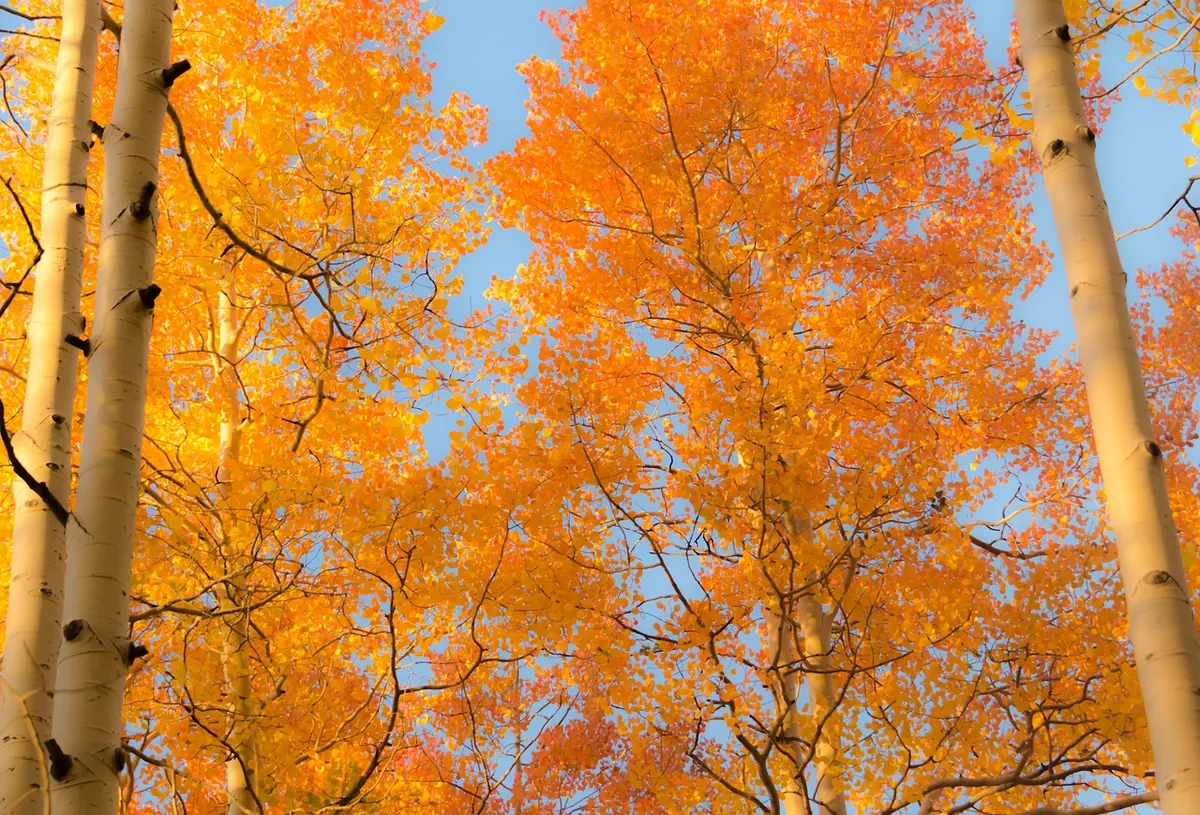
Common aspen turns gold, with coppery and orange tones showing up more strongly on acid soils and in cold autumns. Forms sold as 'Aurea' are chosen for brighter yellow foliage through the season. Swedish aspen colours reliably, and because it holds a tight habit, the effect is a narrow pillar of gold. Quaking aspen can produce the deepest orange-red of the group where autumn nights turn cold early, but in milder southern counties expect yellow rather than fire.
Timing runs from late September in northern Britain to mid-November in the south, and aspens usually colour ahead of oaks and beech, which makes them useful for stretching the season. Plant one where low autumn sun will pass through the canopy in the afternoon.
Which aspen suits which garden
Small gardens, courtyards and front gardens
Choose weeping aspen. A grafted standard takes up little more ground than a large shrub, gives height without overwhelm, and the spring catkins arrive before the leaves. Pair it with bulbs underneath and let the canopy do the rest.
Medium gardens with a lawn
Swedish aspen is the safest bet if space is tight but you want a real tree. Put common aspen at a boundary only if you have at least ten metres of clearance from services and paving, and accept the suckers.
Large gardens, paddocks and shelterbelts
Plant common aspen in groups, spacing four to six metres, or mix Swedish aspen with birch and rowan. White poplar earns its place on exposed coastal sites where little else holds, provided there is room for its spread.
Damp ground and pond margins
Aspens enjoy moisture, so a hollow that stays damp in winter suits them well. Avoid ground that stands under water for months, and remember that roots will travel towards the water rather than away from it.
Planting and the first two years
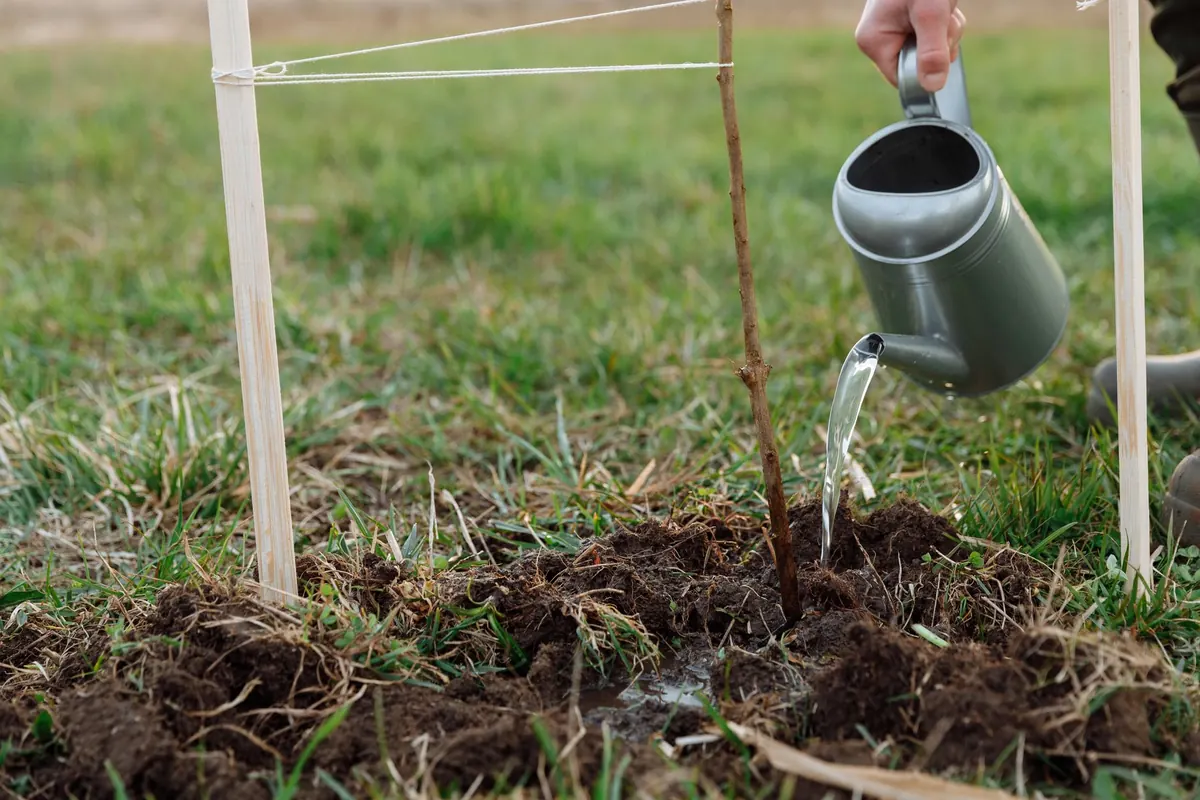
Bare-root aspens go in from November to March while dormant; container-grown trees can be planted at almost any time if you water them properly through the first summer. Dig a hole a little wider than the rootball and no deeper than the nursery soil line. On grafted weeping forms, keep the graft union ten to fifteen centimetres above soil level — bury it and the scion will root and you will lose the weeping habit.
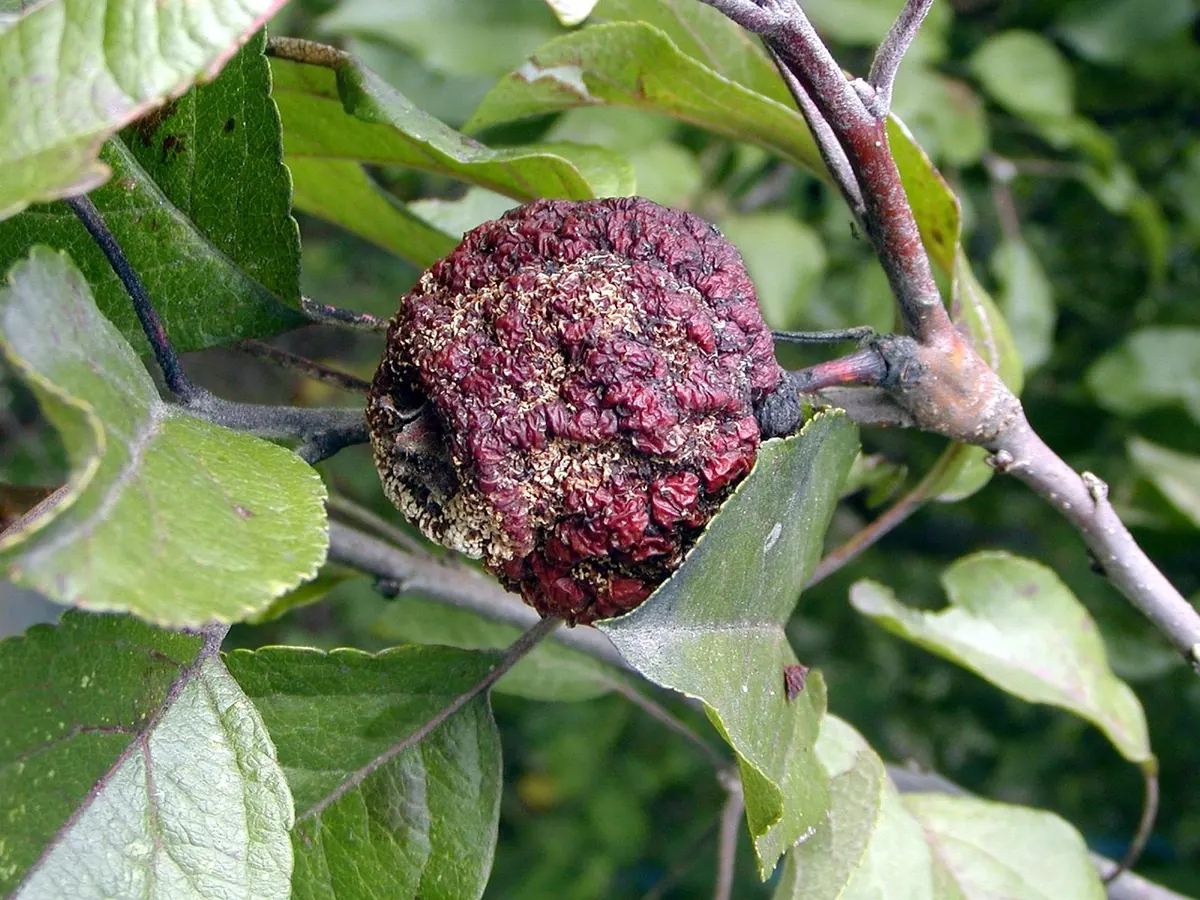
Stake for the first two years on exposed sites, using a short stake and a soft tie that allows the trunk to flex. Water thoroughly once a week in dry spells for two growing seasons, then let the tree fend for itself. Mulch five to eight centimetres deep, keeping it clear of the trunk. Pruning is minimal: remove dead or crossing wood in late winter, never cut into the leader, and leave the shape alone. Watch for rust on the leaves in wet summers and for canker on damaged bark, removing affected material promptly. After that, an aspen asks very little of you — beyond a willingness to mow its offspring.
Photo: TheThrillSociety / Pixabay