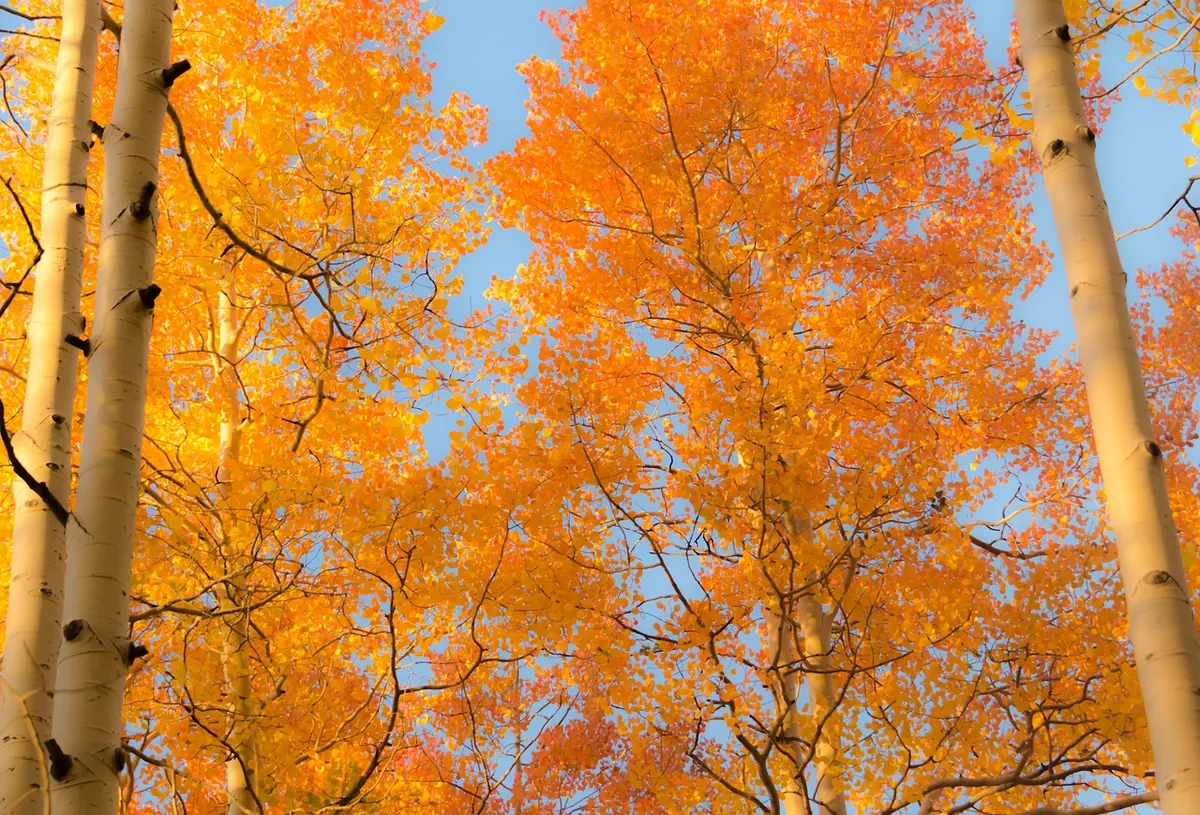

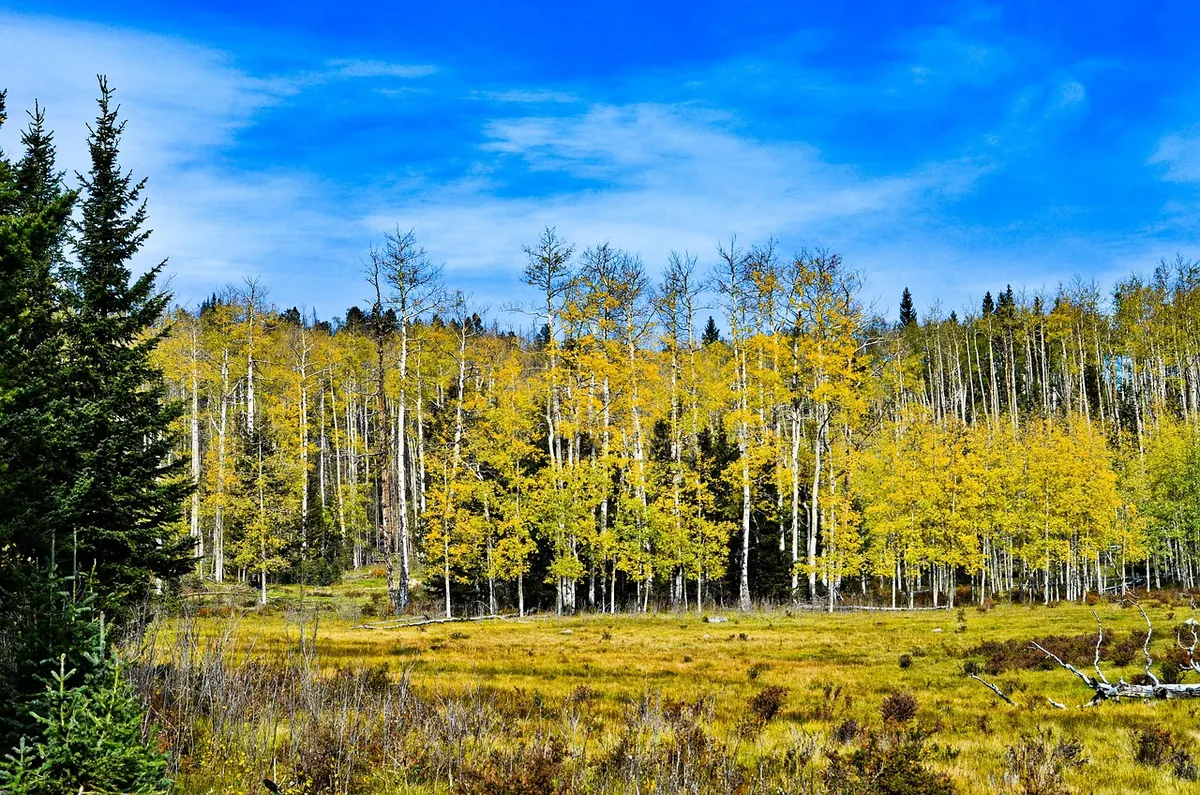
Aspen has a way of announcing itself. Even in still air the leaves quiver on their flattened stalks, and the pale trunks stand out against darker birch and pine. What is less obvious is how much wildlife leans on this tree — and how rarely British aspens are given the chance to spread.
A Tree That Rarely Gets to Be Common
Aspen (Populus tremula) is genuinely native here, turning up from the Highland glens down through northern England and Wales to scattered pockets in the south. What it is not is abundant. In Britain, aspen sets viable seed only rarely, so most stands spread by suckering: new shoots rise from the roots of the parent tree. Each stand is often a single clone, all male or all female, and it can persist for a very long time.
The catch is grazing. Deer, sheep and cattle browse young suckers hard, so although old aspens survive in hedgerows, wood edges and rocky gullies, few new ones get away. That leaves many British aspen populations elderly and isolated — exactly the wrong condition for supporting a wide range of species. A stand that can sucker freely, and that has trees of different ages, is a far richer habitat than a line of veteran trunks.
Insects: Sap, Leaves and Rotting Wood
Aspen feeds invertebrates in three different ways, and each matters.
The foliage is food for the caterpillars of several moths associated with poplars and willows — puss moth, poplar hawk-moth, lesser swallow prominent and a number of smaller leaf-mining species among them. The shiny red aspen leaf beetle chews the leaves in sunlight, and where you find one, you usually find the neat, lacy damage it leaves behind. Fallen leaves are just as valuable: they break down in damp litter and feed the whole soil food web beneath the tree.
Sap is the second resource. Wounds and broken branches on aspen weep sugary fluid, and those sap runs attract a small crowd:
- Aphids, which feed on the sap and multiply quickly
- Ants, which tend the aphids and defend them from predators
- Wasps, butterflies and hoverflies taking an easy sugar meal
- The rare aspen hoverfly, whose larvae develop in sap runs and rotting sapwood
- Woodpeckers and tits, which visit to pick off the insects gathered there
The third is dead wood. Aspen rots from the inside while still standing, so old trees hollow out into soft, damp cavities — the sort of decaying timber that beetles, flies and fungi need. One point worth clearing up: aspen catkins are wind-pollinated and offer no nectar, so they are not a bee plant. The tree earns its keep through leaves, sap and rot.
Lichens, Mosses and Fungi
Aspen bark is pale, smooth and holds moisture well, and its chemistry is less acidic than oak or birch. For lichens, that combination is a distinct niche. Aspen in the Scottish Highlands and in western woods carries lichen communities that are scarce or absent on the surrounding trees, which is one reason old aspen stands are treated as a priority in woodland surveys. Damp, shaded trunks also suit mosses and liverworts, particularly in the west.
Fungi are just as closely tied to the tree. Aspen forms mycorrhizal partnerships with a range of fungi in the soil, and its soft wood supports specialist decay species, including the aspen bracket fungus, which is rare in Britain and largely confined to aspen. If you are managing a wood, leaving standing dead aspens and fallen trunks in place is one of the cheapest conservation measures available.
Birds
Because aspen hollows readily, it is a good tree for hole-nesters. Tits, redstarts and, where the cavities are large enough, woodpeckers all use it. The insect life on the leaves and sap runs provides food for chicks in the crucial weeks of early summer, and foliage-feeding caterpillars are exactly what most woodland birds are hunting for.
Aspen woods in the uplands also suit species that like light, airy canopies with plenty of insects — tree pipit, willow warbler and redstart among them. In the Highlands, black grouse take aspen buds and catkins in winter, alongside birch. And old, decaying aspens in a wood help hold together the dead-wood food chain that woodpeckers and other birds depend on all year round.
Mammals, Bats and Beavers
Bats use aspen cavities as roosts where they form, especially in larger, older trees that have had time to hollow. Red and grey squirrels, mice and voles will take shelter in hollows and beneath loose bark, and the sap runs are a draw for insects that in turn feed bats hunting along woodland edges.
Then there are the deer and, increasingly, the beavers. Aspen is a favoured food for beaver, which will fell stems and eat the bark, and the tree responds by throwing up suckers from its roots — so a cropped aspen can regrow as a dense thicket rather than disappearing. Deer, unfortunately, do the same damage without the regrowth, because they browse suckers year after year. Managing grazing is the single most useful thing anyone can do for aspen in Britain.
A stand of aspen allowed to sucker and age is worth far more to wildlife than a dozen isolated trees that never get the chance to spread.
Planting and Managing Aspen with Wildlife in Mind
Aspen will grow on a wide range of soils but does best on damp, freely drained ground — riverbanks, upland flushes, the edges of wet woodland and the fringes of birch or pine. It dislikes permanent waterlogging, and it hates being shaded when young, so plant it where it will get light.
Think in clusters rather than single trees. A group of aspens will eventually spread by root suckers into a thicket, which is what insects, birds and lichens all respond to. Scattering odd trees about a site rarely produces the same effect.
Provenance is worth asking about. Buy British-grown stock, and where possible local provenance, because aspens from elsewhere in Europe may not be well matched to your site — and some suppliers now offer material raised from local Scottish or Welsh populations. If you are planting at any scale, your local woodland officer or wildlife trust can point you towards the priorities in your area and the grant schemes that might help.
Protection is essential if there are deer, rabbits or voles about. Fencing a group is usually more effective than individual guards, because guards can create a warm, damp microclimate around the trunk that discourages lichens, and they need removing before they constrict the tree. If you do use tubes or mesh, check them each winter and take them off as soon as the tree can cope.
A Practical Checklist
- Find out whether aspen already grows nearby — local seed sources and existing clones make establishment far easier.
- Pick a sunny or lightly shaded spot on damp but free-draining ground.
- Plant in groups of three or more, spaced so the roots can eventually join up.
- Protect against browsing with fencing where possible, and check any guards annually.
- Leave standing dead trees and fallen trunks in place rather than tidying them away.
- Keep the new suckers free of grazing for at least a decade — this is the stage where most attempts fail.
- Record what you plant and what uses it, and pass the notes to your local records centre or wildlife trust.
Aspen rarely needs elaborate management. It needs light, protection from browsing and enough time to spread. Do those three things and the lichens, moths, sap-feeding insects and hole-nesting birds tend to follow on their own.
Photo: cwjds11 / Pixabay