
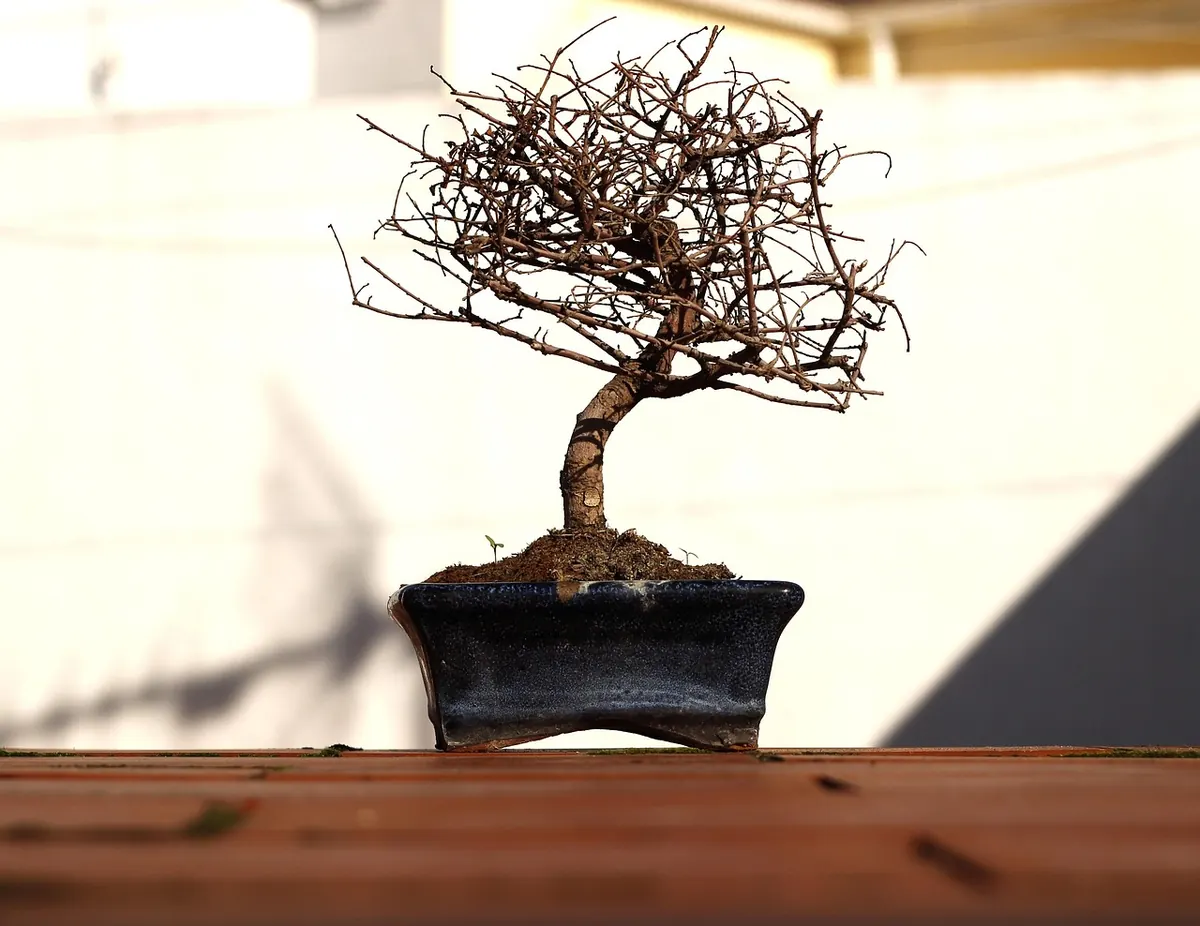
An aspen bought bare-root is little more than a stick with a skirt of roots, and it looks like nothing much. Planted well while it is still dormant, though, it will be away faster than a container-grown tree at twice the price. Populus tremula, our native aspen, copes with wet clay, thin chalk and exposed ground. The catch is that it wanders, spreading by suckers from its roots. The decisions you make during planting — position, depth, soil preparation — matter more than almost anything you do afterwards.
When to plant bare-root aspens
Bare-root stock is lifted from the nursery field and sold while dormant, from late October through to March. In most of the UK the best window is late October to mid-December, when the soil is still warm enough for new roots to settle before hard frost. February and early March work too, but the tree has less time to root before growth starts. Avoid frozen ground, standing water and dry, dusty soil; roots that go into dry ground in a dry spring struggle from the outset.
Buy from a nursery that lifts to order where you can, and keep the roots covered at every stage. If you cannot plant for a few days, heel the tree into a spare patch of soil or a large pot of damp compost in a sheltered spot. Roots left in a warm shed for a week will be dead, even if the stem still looks perfectly healthy.
Choosing the right spot
Aspen is a tree of open ground and bright light. Full sun gives you the shimmering foliage the species is grown for, and a sturdier tree; in shade it thins out and leans towards the light. Run through this list before you dig:
- Room to grow. A mature aspen can reach 15 m or more on good ground, and often settles lower on thin, exposed sites. Check for overhead cables and the distance to buildings.
- Suckers. New shoots rise from the roots, sometimes several metres from the trunk, and a single tree can colonise a patch of ground a few metres across within a decade. Keep well clear of foundations, drains, patios, soakaways and boundaries.
- Soil. Aspen is unfussy — damp clay, loam and even chalk suit it — but it dislikes ground that sits waterlogged for weeks on end.
- Wind and exposure. It is a tough tree, but a spot with some shelter from the worst gales saves you storm damage later.
- Boundaries and paperwork. If you are planting near a neighbour's land, or your garden sits in a conservation area or has restrictive covenants, it is worth checking your deeds or asking the local planning department before you commit.
Preparing the soil
Spend twenty minutes on preparation and you will save yourself two years of watching a tree sulk. Clear a square metre of perennial weeds — couch grass and bindweed will out-compete a young aspen — and fork over the ground to break up compaction. On heavy clay, work in garden compost or grit and consider planting on a slight mound so the roots are never sitting in a puddle.
If you are unsure about drainage, dig a hole, fill it with water and see how it looks the next morning. Still full? Plant elsewhere, or mound the tree up.
Do not add fertiliser at planting. Aspen on rich ground grows soft and suckers more freely; well-rotted compost mixed through the backfill is plenty.
Planting, step by step
- Stand the roots in a bucket of water for an hour or two — not overnight — while you dig.
- Dig a hole two to three times as wide as the spread of the roots, and only as deep as they need. Keep the topsoil in one pile and the subsoil in another.
- Sprinkle a little topsoil back in and shape it into a low cone to sit the roots over.
- Trim any broken or circling roots with clean secateurs, then spread the rest evenly down the cone. Never cram or coil them.
Getting the depth right
Look for the soil mark on the stem left by the nursery; that line should end up at, or a fraction below, the finished soil level. The root collar — where roots meet trunk — must not be buried. On heavy clay, plant 2–3 cm higher than this to allow for settling. Too deep is the commonest reason a young tree fails.
Backfill in layers, firming each one gently with your heel. You want the soil close around the roots, not compacted into brick. Water thoroughly, even in December, then mulch 5–8 cm deep with bark, compost or well-rotted manure, keeping the mulch 10 cm clear of the trunk.
A whip rarely needs staking. If your site is exposed, use a short stake no higher than a third of the tree's height, driven in on the windward side, with a flexible tie. Remove it after two or three years. Fit a spiral guard where rabbits are about.
Aftercare in the first two years
Watering is the job that decides whether your aspen thrives or merely survives. In the first two summers, give a new tree roughly a full watering can a week in dry spells, poured slowly at the base so it soaks in. Deep, occasional watering beats a daily sprinkle.
Keep a weed-free circle at least 60 cm across for the first three years, check the tie and mulch each spring, and leave the tree alone otherwise. Aspens are not hungry trees, and feeding them encourages weak growth. Leaf rust and aphids turn up most years; on aspen they are rarely worth treating.
Living with suckers
Decide early whether you want a single tree or a grove. If a grove suits the space, let the suckers grow and thin them later. If you want one tree, plant it where you mow regularly and take the mower over new shoots; repeated cutting and mowing weakens the roots over time. Where a tree sits near a patio or drain, install a heavy-duty root barrier at planting, set at least 60 cm deep, and keep an eye on it.
The short version
Plant between late October and early March, put the tree in full sun with room for its roots to roam, keep the root collar level with the soil, and water it properly for two summers. Get those four things right and an aspen will reward you with movement, sound and quick cover for years — with very little asked of you afterwards.
Photo: alfcermed / Pixabay